Knowliqa is an independent course aggregator. We may earn a commission when you click through.
Which Creative Course Fits Your Next Skill Goal?
Compare 10 beginner courses by duration, practical focus, review count and creative outcome before clicking through to a third-party provider.
Quick picks before you compare
Best for a practical craft: Cut and Sew.
Best for a client-facing service: Fashion Consulting 1.
Best for the longest beginner pathway: Personal Organizer For Environments.
All ten listings are marked beginner level. That does not mean they deliver the same kind of learning: some teach a hands-on service, while others focus on creative planning or client advice. The course pages show duration and review counts, but prices and certificate details are not supplied in the available listings. Check those points on the provider page before enrolling. Clicking any course link redirects you to the third-party platform hosting the course.
Start with the skill you can practise immediately
The most useful course is usually the one that leads to a visible result: a finished garment, a styled room, a client consultation or a floral arrangement. Before enrolling, check four details: the 10–26 hour duration, the number of reviews, the practical techniques named in the description and whether a certificate is actually included. The provider pages do not confirm certificate availability in the supplied information, so do not assume that a course labelled beginner includes formal proof of completion.
Another common mistake is treating review count as a quality score. Here, Decorated Nails has 13 reviews, while Personal Organizer For Environments has none. That makes the former easier to assess, but it does not prove that it teaches more effectively. Review volume is a trust signal, not a substitute for checking the syllabus.
Cut and Sew Course
Cut and Sew is the clearest hands-on starting point: 16 hours covering fabric handling, tools, modelling and finishing. Compared with the more advisory fashion courses, it gives beginners a tangible making process to practise. Five reviews provide more feedback than most of the design listings here, although the page does not confirm materials, assessment or a certificate. Best for a beginner who wants to make garments rather than only discuss style.

Interior Decoration Course
Interior Decoration runs for 18 hours and covers colour combinations, furniture, accessories and space planning. It moves from making objects to shaping an entire environment, so the output is more conceptual than Cut and Sew. Seven reviews make this one of the better-documented options in the group. Best for a beginner who enjoys visual planning and wants a foundation for styling rooms, but check whether the lessons include project work before paying.

Personal Organizer For Environments Course
At 26 hours, Personal Organizer For Environments is the longest course in the comparison and the only one here with zero reviews. Its focus is practical space organisation, including functional, pleasant home environments, so it may translate into a service more directly than a purely decorative course. The longer runtime suggests broader coverage, not guaranteed depth. Best for a beginner who wants to organise homes or test a small service idea and is comfortable with limited provider feedback.
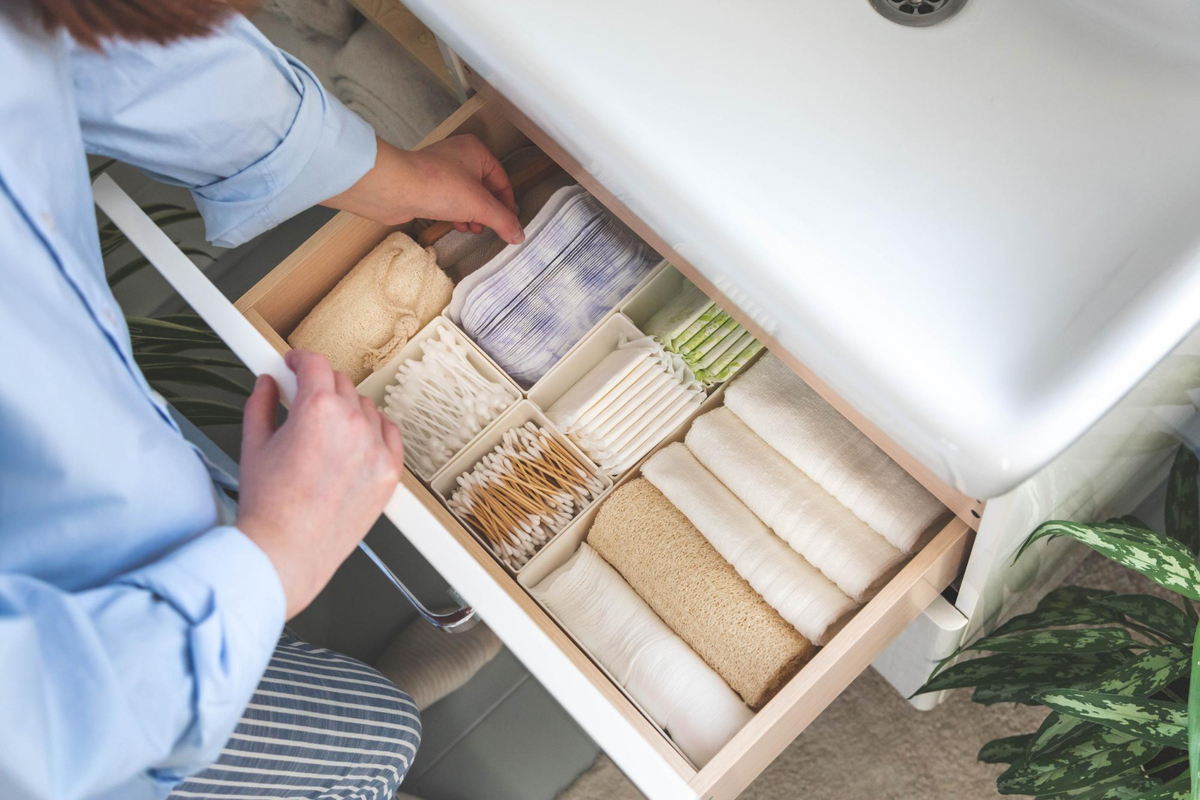
These three courses suit learners who want a practical outcome, but they demand different kinds of work. Cut and Sew requires tools and materials, Interior Decoration depends on visual judgement, and Personal Organizer For Environments is built around systems and client-facing organisation. If you are still unsure, choose the activity you would willingly practise for several hours without being prompted.
Beauty and style services with a clear client angle
Beauty and fashion courses can be easier to connect to a small service because the result is visible and personal. The mistake is assuming that a short beginner course covers professional standards, hygiene, consultation practice or local requirements. The supplied pages mention techniques and theory, but they do not confirm those details. Treat these courses as introductions, then verify the modules and certificate terms directly with Beharv’s Eyebrow Design course page and the related provider listings.
Fashion Consulting Course
Fashion Consulting 1 combines 18 hours of beginner content with colour analysis, wardrobe personalisation, fashion history and trend discussion. One review is available, which gives it more evidence than the zero-review consultancy course below. The content points towards advising clients rather than producing garments, making it a better match for someone who enjoys conversation and visual judgement. Best for a beginner building confidence in style advice, provided the course includes enough case examples for practice.

Decorated Nails Course
Decorated Nails is only 12 hours but has 13 reviews, the highest review count in this set. The description covers basic and advanced decoration techniques, so it offers a tighter skill focus than Fashion Consulting 1. The shorter format may help learners reach a first practice session quickly, but it also means less room for broader business or client training. Best for a beginner who wants a narrow, visual beauty skill and values stronger review evidence.

Eyebrow Design Course
Eyebrow Design takes 10 hours and covers measurement, hair removal, colouring and adapting styles to facial features. It is the shortest course in the comparison, which makes it attractive for a focused introduction, but the compact format leaves less visible room for theory or supervised practice. Two reviews offer some provider feedback without making the course fully validated. Best for a beginner who wants a specific brow-design foundation rather than a broad beauty curriculum.

Fashion Consultancy Course
Fashion Consultancy 2 covers colour theory, trend analysis and the role of a fashion consultant across 18 beginner hours. Its subject overlaps heavily with Fashion Consulting 1, but the page shows zero reviews, so there is less evidence from previous learners. I would choose it only after comparing the module lists and certificate terms directly, because the titles alone do not reveal a meaningful difference. Best for a learner who prefers this course’s syllabus or presentation and has checked the provider details first.

Florist Course
Florist is a 20-hour beginner course focused on flowers, foliage, arrangements, bouquets and event decoration. It sits outside beauty and fashion, but it belongs in the same creative-service conversation because the work is practical and potentially client-facing. Two reviews provide limited reassurance, while the description does not confirm access to flower-handling demonstrations or materials. Best for someone who wants a creative craft with clear outputs and is prepared to practise offline alongside the lessons.

The review pattern is revealing: Decorated Nails has 13 reviews, while both Fashion Consultancy 2 and Personal Organizer For Environments have none. That gap should change how cautiously you enrol, not automatically decide which course teaches better. Before clicking through, compare the module names, lesson format, certificate availability and refund terms on the provider’s Decorated Nails page and the individual course pages.
Florist also shows why title-based comparisons can mislead. It is not a fashion course, yet it may suit a learner seeking a creative micro-business more closely than a second style-theory course. Match the course to the work you want to produce, not just the category label.
Creative planning for homes and events
The final group is about transforming spaces. These courses overlap, but their outputs differ: party decoration is event-led, planned furniture involves technical representation, and personal organisation focuses on function. Check whether you want aesthetic styling, technical design or practical systems before choosing.
Free Online Party Decoration Course
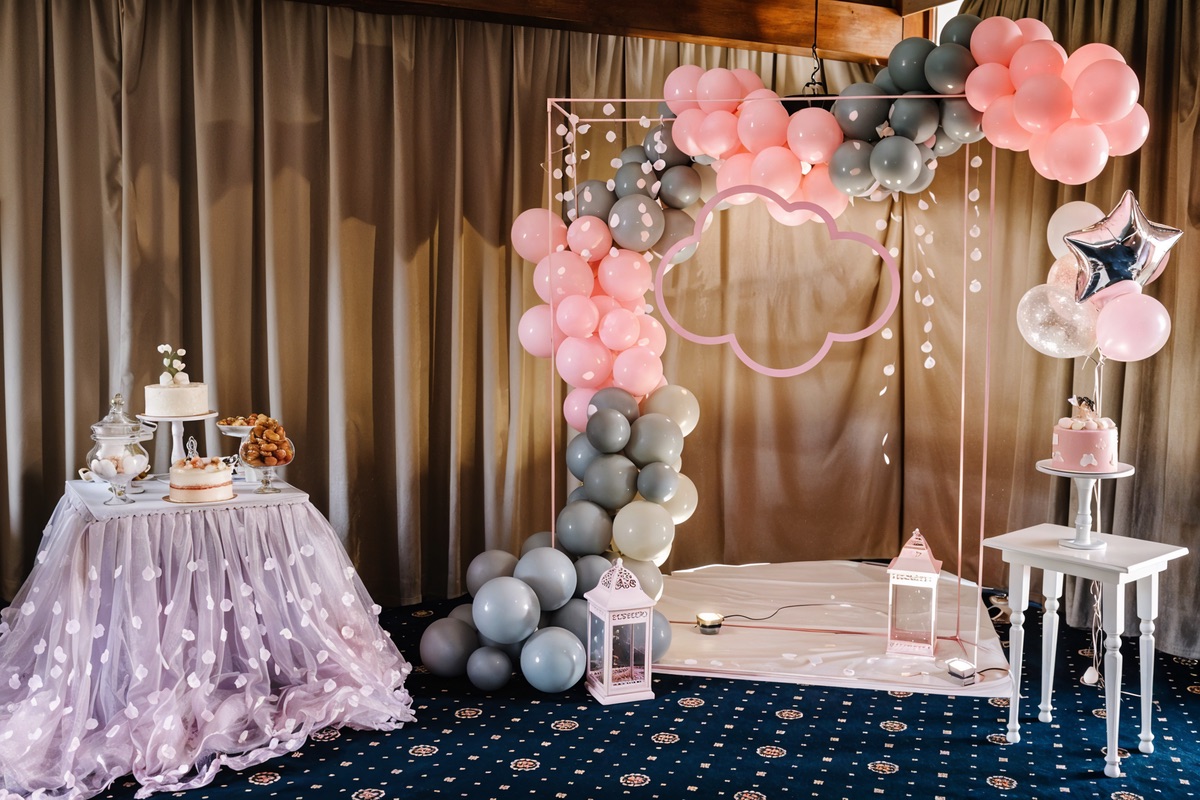
Decoration for Parties offers 18 hours of online, free beginner content covering birthdays, weddings, corporate events and themed celebrations. Six reviews give it more feedback than the furniture course, and the free access lowers the risk of testing the subject. The page does not confirm whether the certificate is free or paid, so check that detail before treating it as a professional credential. Best for a budget-conscious learner who wants event-decoration ideas without an upfront course price.
Planned Furniture Designer Course
Planned Furniture Designer is a 16-hour beginner course focused on materials, technical drawings and 3D modelling. Unlike party decoration, it points towards a more technical design workflow, though the page does not name the software used or confirm whether practical files are included. Two reviews mean limited learner evidence. Best for a beginner interested in custom furniture and willing to verify software requirements before starting.

A simple decision framework
- Choose the output first. Garments point to Cut and Sew; room styling points to Interior Decoration; event work points to Decoration for Parties.
- Choose the learning depth. The 10–12 hour courses are focused introductions. The 18–26 hour courses leave more room for theory and multiple topics, but duration alone does not prove quality.
- Check provider evidence. Review counts range from zero to 13. Read the available reviews, then inspect the module list rather than relying on the course title.
- Verify the certificate. The supplied listings do not confirm certificate terms for these courses. Check whether a certificate exists, whether it costs extra and what the issuing provider is called.
- Confirm the format. Ask whether lessons are text-based, video-led, project-based or mixed. This matters especially for Cut and Sew, Florist, Decorated Nails and Eyebrow Design, where visual demonstration may affect how useful the course feels.
My shortlist is simple. Pick Cut and Sew if you want the strongest balance of practical scope and review evidence. Choose Decorated Nails for a narrow beauty skill with the highest review count. Choose Decoration for Parties if free access matters most. For a longer, broader route into organising spaces, Personal Organizer For Environments has the most study time, but its zero-review record means you should inspect the provider terms carefully.
These are discovery listings, not direct enrolment pages. Clicking through redirects you to third-party course platforms, so confirm the current price, certificate, syllabus and access conditions before you commit.